
A practical interior-renovation tool
What Are Architectural Wraps?
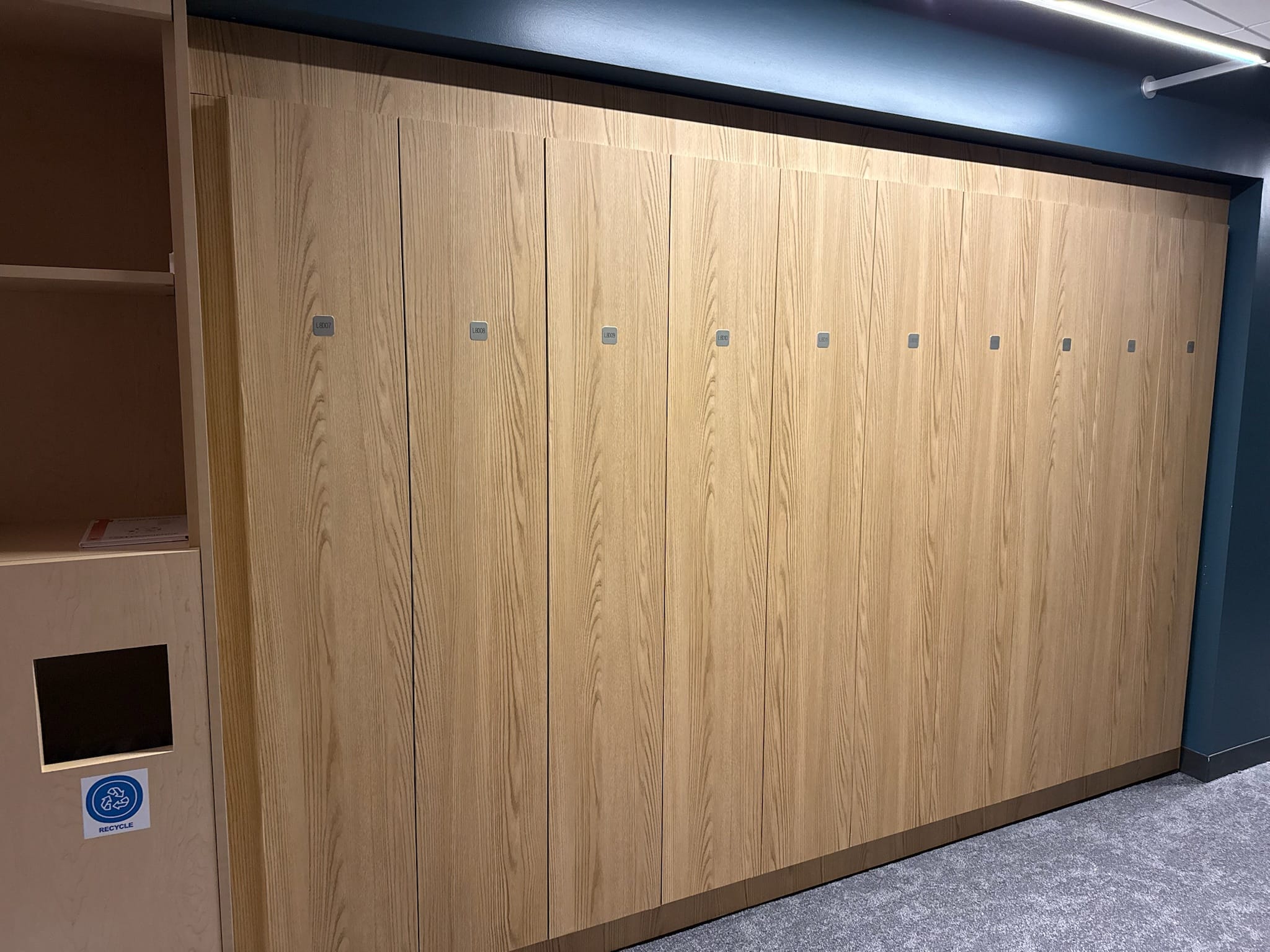
Architectural wraps—also called architectural films, interior vinyl wraps or decorative surface films—are engineered finishes applied to prepared substrates. Rather than removing a sound cabinet box, door, wall panel or piece of millwork, an installer resurfaces it with a selected pattern and texture. The result can resemble natural wood, stone, brushed metal, concrete, solid color, textile or leather while preserving much of the existing construction.
The word “wrap” can make the process sound simple, but commercial architectural film installation is a skilled finish trade. Every surface must be evaluated for adhesion, stability, texture, coatings, contamination, moisture, damage and edge conditions. Corners, seams, reveals, hardware and transitions require planning. Some substrates accept film readily after cleaning; others need sanding, filling, priming, repair or a different renovation method.
For Boston property managers, architects, contractors and facilities teams, architectural wraps can be especially useful when a space must remain operational. Instead of coordinating removal, disposal, fabrication and replacement for every element, a qualified team can often phase the work by room, floor or surface. The method is not appropriate for every substrate, but when the existing asset is structurally sound, resurfacing can deliver a major visual change with a lighter construction footprint.
EGI Wraps provides architectural wrap services in Boston and New England, including surface evaluation, finish planning and professional installation for commercial environments.
Renovate what is already working
Architectural Wrapping vs. Removing and Replacing
Replacement is necessary when an item is structurally failing, unsafe, water-damaged, severely deformed or poorly designed for its intended use. But many commercial interiors are replaced for appearance alone. Cabinet boxes remain solid, doors still operate, elevator panels remain functional and reception desks still fit the space—the finish is simply dated, damaged or inconsistent with a new brand standard.
Architectural wrapping separates the visual renovation from the structural renovation. When the substrate is suitable, the existing asset stays in place and receives a new decorative surface. This can reduce demolition noise, dust, hauling, disposal, procurement lead time and disruption. It can also simplify phased renovations in occupied offices, hotels, hospitals, retail stores, schools and apartment common areas.
| Decision factor | Architectural wrap | Traditional replacement |
|---|---|---|
| Best use | Sound surfaces needing a visual or brand update | Failed, damaged or functionally unsuitable components |
| Site disruption | Often lower because existing components remain | Usually includes demolition, removal and new installation |
| Schedule | Can often be phased around operations | Depends on demolition, fabrication, delivery and trades |
| Waste | Retains much of the existing asset | May send removed material to disposal or recycling streams |
| Finish choices | Wide range of engineered patterns, textures and colors | Determined by new material, fabrication and supplier options |
| Cost structure | Film, preparation, labor, access and detailing | Demolition, disposal, material, fabrication and installation |
| Limitations | Requires a stable, compatible and properly prepared substrate | Higher disruption but can solve structural or functional problems |
Faster Transformation
Many projects can be organized by zone and completed without waiting for custom replacement millwork to be fabricated.
Minimal Downtime
Careful phasing can help offices, hotels, healthcare spaces and retailers continue operating around the work.
Less Material Waste
Keeping usable cabinets, doors, panels and furniture in service can reduce the material removed from a renovation.
Premium engineered surface finishes
Understanding 3M DI-NOC Architectural Finishes
3M DI-NOC Architectural Finishes are decorative films developed for resurfacing a broad range of interior architectural elements. Most patterns use a vinyl film with a pressure-sensitive adhesive. Many products incorporate 3M Comply air-release technology, which helps trained installers move air through channels toward the film edge during application. This supports smoother installation, but it does not eliminate the need for preparation, correct tools and skilled finishing.
The collection includes interpretations of wood, stone, metal, concrete, stucco, leather, textile, carbon fiber, solid colors and other contemporary surfaces. Pattern, texture, gloss and directional grain affect the way a finish reads under natural and artificial light. Physical samples should be reviewed in the actual space because screen colors and online photographs cannot fully represent surface texture or lighting response.
3M’s current technical literature lists an expected performance life of up to 12 years for many indoor vertical applications, subject to the specific product, substrate, environment, preparation, installation and maintenance. “Expected performance life” is not the same as a universal warranty. Warranty coverage varies by product series, application and project conditions, so the current 3M technical data sheet and written project proposal should govern.
DI-NOC is valuable because it combines design freedom with the ability to remodel and reuse. It can turn consistent but dated millwork into a coordinated finish package, help align multiple properties with a brand standard, and make replacement components visually compatible with retained assets.
Wood
Natural-looking grains from light oak and warm walnut to darker contemporary species.
Stone & Concrete
Marble, mineral and architectural concrete aesthetics without installing full slabs.
Metal
Brushed, matte and specialty metal appearances for elevators, columns and feature elements.
Specialty Textures
Leather, textile, carbon fiber, solid color and other design-forward surface effects.
Performance statements should always be confirmed against the current technical data sheet for the exact product selected.
One finish system, many surfaces
Where Architectural Vinyl Wraps Can Be Used
Architectural film is most effective when the finish is selected for a clearly defined substrate and use. Cabinet doors, millwork panels, elevator components, wall systems and furniture do not experience the same wear. A reception desk may face repeated impact and cleaning; an upper wall panel may experience little contact. The specification should reflect those differences rather than treating every surface as identical.
Cabinet Wrap Boston
Resurface suitable cabinet doors, drawer fronts, end panels and exposed frames. Cabinet refacing can modernize break rooms, offices, healthcare storage, hotel casework and apartment common areas without automatically replacing sound boxes.
Furniture & Millwork Wraps
Update reception desks, conference tables, built-ins, counters, shelving, display fixtures and custom millwork. Complex edges and high-contact areas require careful material and detail planning.
Wall & Column Wraps
Create wood, stone, concrete, metal or branded accent surfaces on compatible wall panels, partitions, columns and feature walls. Substrate smoothness directly affects the finished appearance.
Door Wraps
Coordinate suitable interior doors, frames and panels with a larger finish program. Hardware, fire labels, clearances and door operation must remain properly addressed.
Elevator Wraps
Refresh compatible elevator cab panels and selected components with finishes that align with lobby and corridor design. Work must be coordinated with building management and applicable elevator requirements.
Reception Desk Wraps
Turn a prominent but dated reception desk into a focal point using wood, stone, metal or solid finishes. Front panels, transaction tops, seams and impact zones are evaluated individually.
Commercial renovation across New England
Industries and Environments We Serve
EGI Wraps works with owners, facilities teams, property managers, designers, general contractors and brand teams. Every environment has different operational demands, access rules and cleaning protocols. A hospital renovation may require infection-control coordination and tightly controlled work zones. A hotel may prioritize quiet phasing and rapid room turnover. A retailer may need overnight installation. An office may schedule work around employees and meetings.
Corporate Offices
Reception areas, conference rooms, office doors, wall panels, break-room cabinets and branded millwork can be refreshed during an office renovation or rebranding program.
Healthcare & Hospitals
Suitable casework, doors, millwork and selected wall surfaces can be evaluated for resurfacing. Material selection, cleaning expectations, access and facility protocols must be reviewed before work begins.
Universities & Schools
Administrative offices, libraries, student centers, classrooms and common areas can be phased around academic calendars and occupied-building requirements.
Retail Stores & Banks
Cash wraps, counters, display fixtures, consultation areas and branded surfaces can support a refreshed customer experience while retaining useful fixtures.
Restaurants & Hospitality
Host stands, bars, wall panels, doors, elevator interiors and guest-facing millwork can receive coordinated finishes. Food-contact and heat-exposure areas require separate evaluation.
Hotels & Apartments
Lobbies, corridors, elevator cabs, amenity spaces, unit doors and selected casework can be renovated in phases to limit disruption to guests and residents.
Property Managers
A repeatable finish standard can help update multiple floors, common areas or properties while supporting more consistent budgeting and scheduling.
Government Buildings
Public counters, offices, meeting rooms and interior millwork can be assessed with attention to procurement, access, safety and project documentation.
Commercial Buildings
Architectural films can support tenant improvements, repositioning projects, office rebranding and upgrades to shared amenity spaces.
Real EGI Wraps interior work
Interior Films, Graphics and Surface Projects
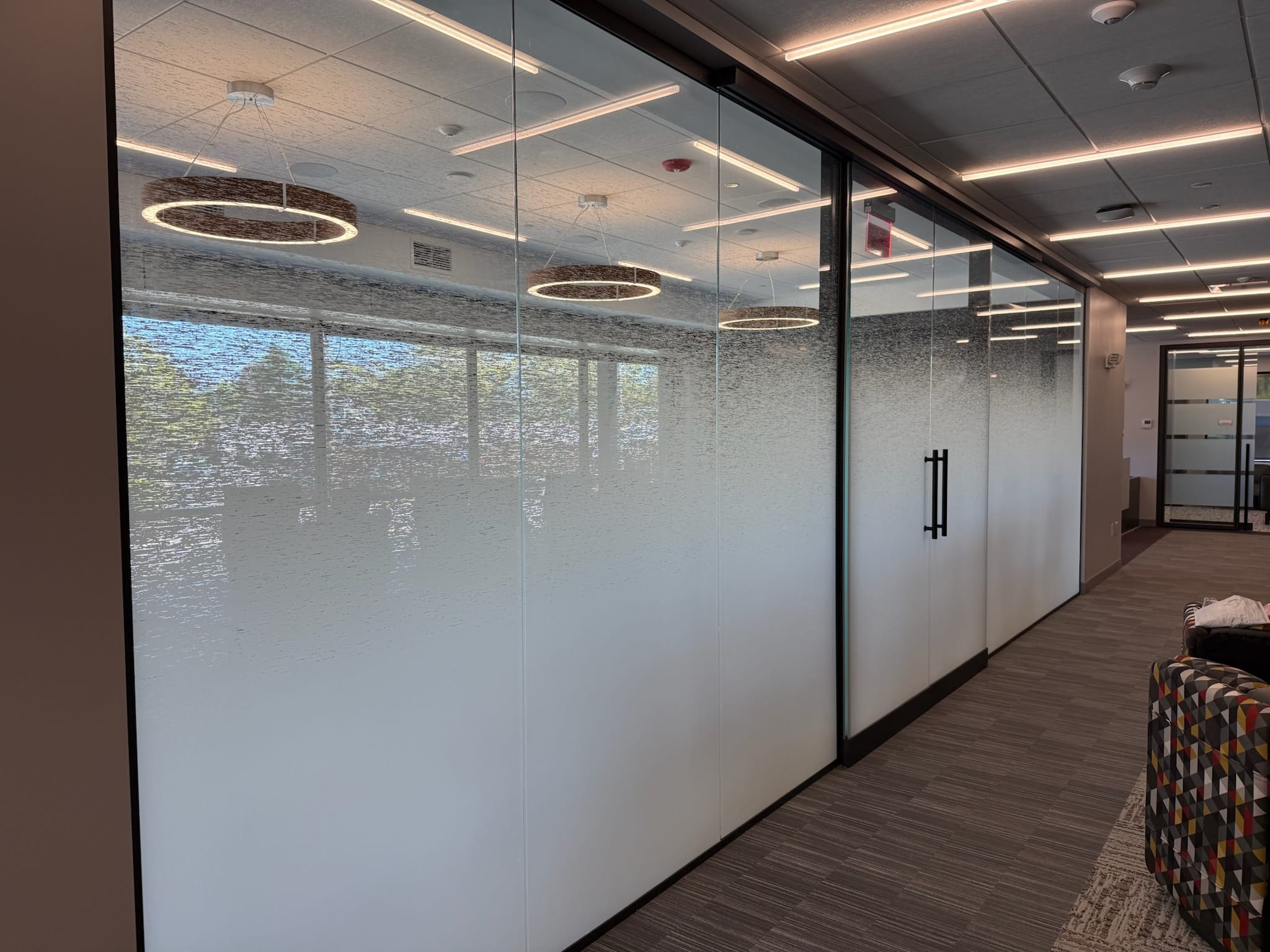
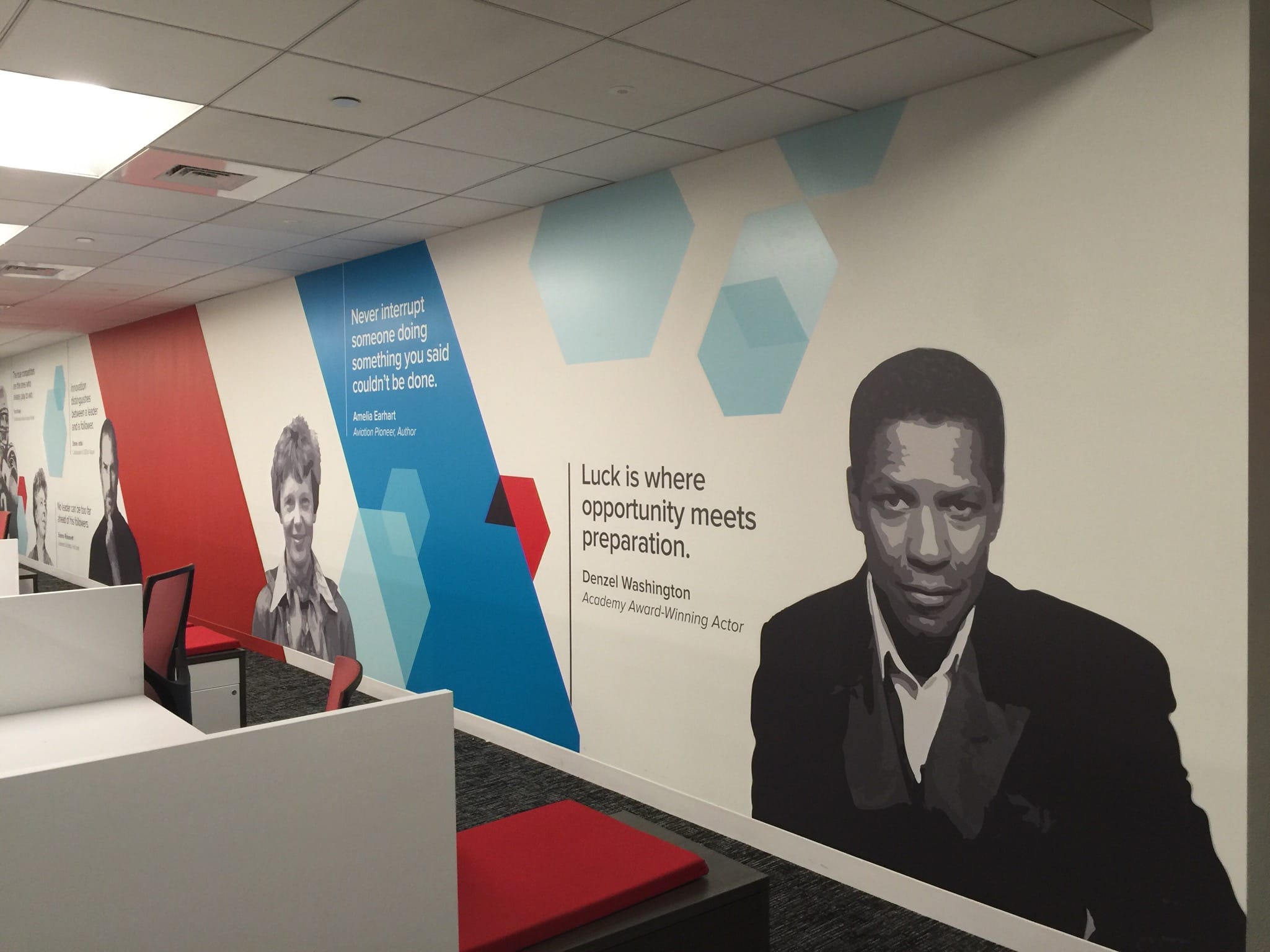
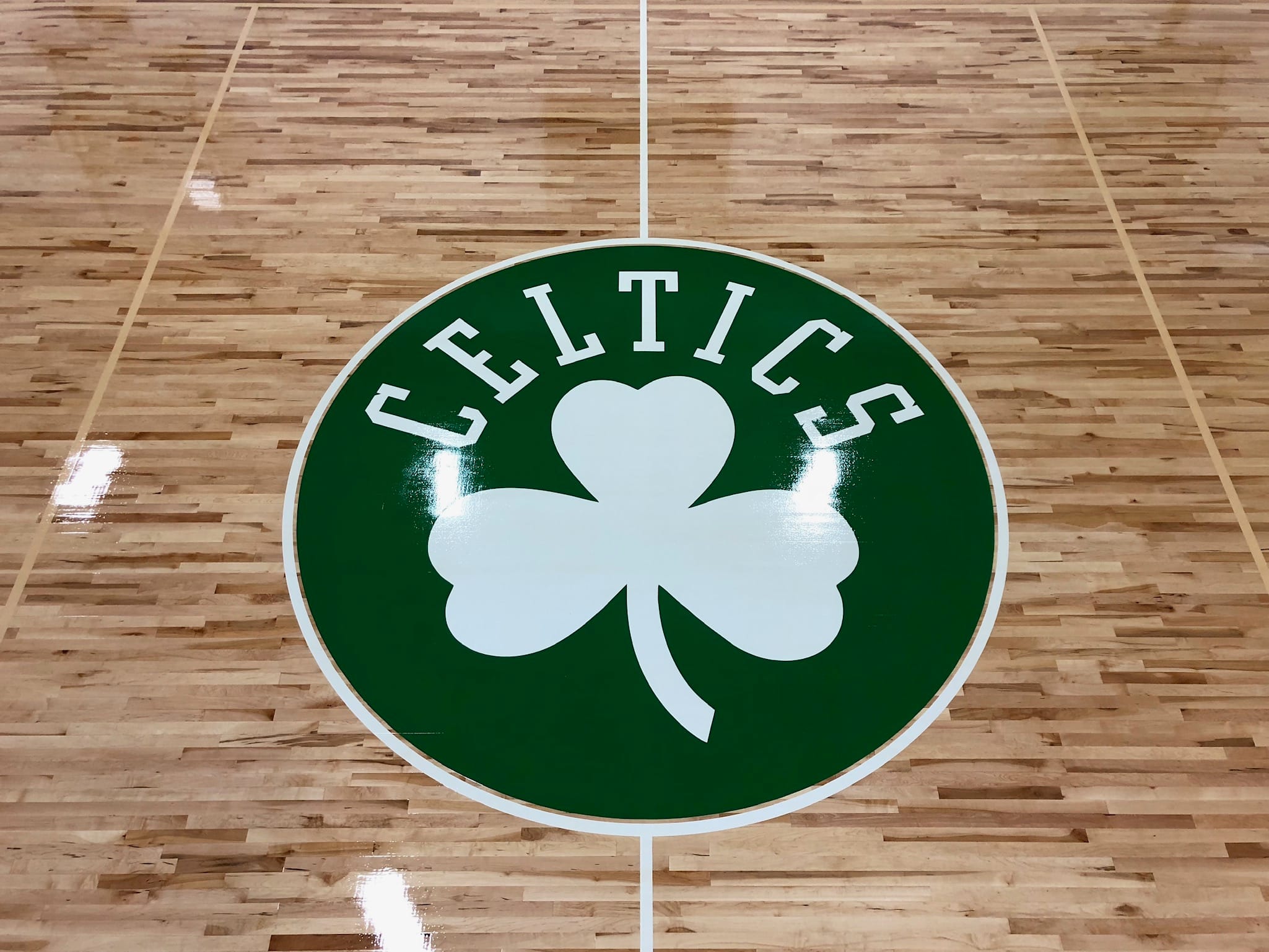
The examples below show several distinct interior-film applications completed by EGI Wraps. They are labeled precisely because decorative architectural film, privacy film, wall murals and floor graphics solve different design problems. Explore more completed work in the EGI Wraps gallery.
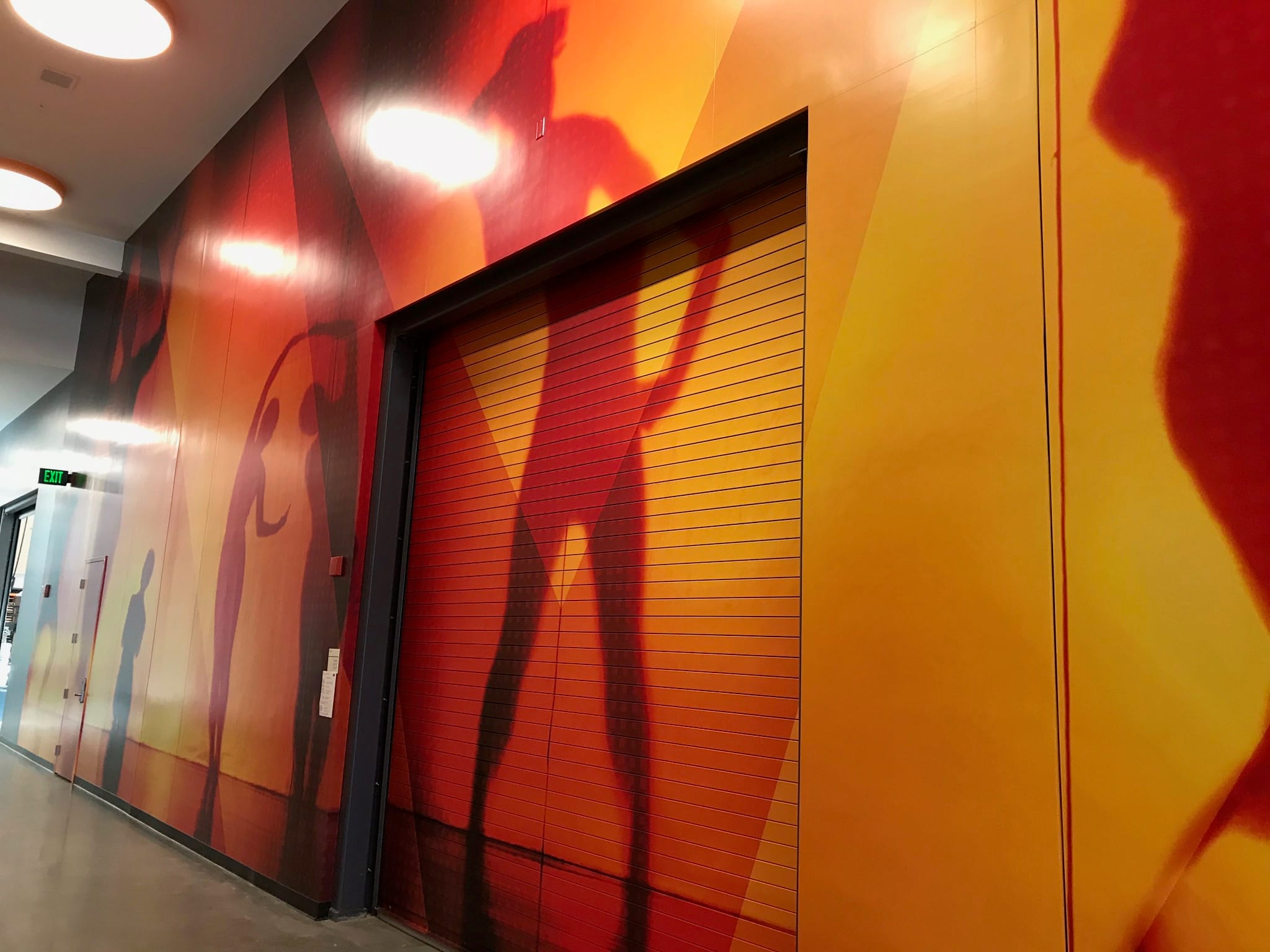
A controlled professional workflow
Our Architectural Film Installation Process
The visible finish is only the last part of the work. Planning, substrate evaluation and preparation determine whether the project can be installed cleanly and maintained successfully. Large or occupied projects may also require site logistics, lifts, protection, badging, safety documentation and coordination with other trades.
We review goals, surfaces, approximate quantities, location, schedule, access and operational requirements.
We inspect substrates, edges, damage, coatings, contamination, hardware, transitions and potential adhesion concerns.
Samples are reviewed in project lighting. When appropriate, a test panel or mockup confirms appearance and preparation.
Surfaces are cleaned and may require filling, sanding, repair or approved primer. Hardware and adjacent areas are protected.
Film is aligned, applied, formed, trimmed and finished. Seams, edges, corners and overall presentation receive final inspection.
Budget for the actual project conditions
Architectural Wrap Cost and Timeline Factors
There is no reliable one-price-per-square-foot answer for every architectural wrap. A large, flat wall panel can be more efficient than many small cabinet doors with returns, hinges and hardware. A clean factory-coated substrate may require less preparation than damaged millwork with failing laminate. Night work, lifts, restricted access and occupied-space protection also affect labor.
| Factor | Why it matters | Information needed |
|---|---|---|
| Surface type | Painted metal, laminate, wood products, plastics and wall systems have different preparation and adhesion considerations. | Clear photos, material description and site inspection |
| Condition | Damage, loose coatings, residue, texture, moisture and repairs can change the scope or make a surface unsuitable. | Close-up photographs and disclosure of previous finishes |
| Geometry | Flat panels install differently from routed doors, compound corners, narrow returns and detailed millwork. | Dimensions, profiles, edges and hardware locations |
| Finish selected | Product series, texture, directional pattern and availability affect material planning and waste. | Chosen pattern, samples and approved alternates |
| Access and schedule | Lifts, security, parking, loading, after-hours work and phased areas affect logistics. | Site rules, working hours and sequencing requirements |
| Quantity | Repeated components can create production efficiency, while small unique pieces require individual handling. | Counts by type, floor and phase |
Typical Timeline
Small, clearly defined projects may move from evaluation to installation relatively quickly. Larger renovations require sample approval, field verification, material ordering, substrate repair, scheduling and coordination. The installation itself may take days or be phased over weeks, depending on quantities and occupancy. EGI Wraps provides a project-specific schedule after the surfaces and requirements are reviewed.
To request a useful estimate, send wide and close-up photographs, approximate dimensions, the project address, desired completion date, surface material, finish preference and whether work must occur outside normal hours. For complex projects, a site visit and mockup are the responsible next steps.
Performance depends on the entire system
Durability, Expected Lifespan and Warranty
Architectural film durability depends on more than the face material. The substrate must remain stable, the preparation must be correct, edges must be detailed appropriately, and the environment must stay within the product’s intended conditions. Heat, moisture, impact, aggressive cleaning, rolling carts, sharp objects and repeated abrasion can shorten appearance life.
According to 3M technical literature, many DI-NOC interior finishes have an expected performance life of up to 12 years on indoor vertical applications. That figure is not a promise for every installed surface. Horizontal surfaces, high-impact locations, complex shapes and areas exposed to chemicals or moisture can perform differently. The selected pattern’s current data sheet, warranty bulletin and project proposal should be reviewed before approval.
EGI Wraps’ workmanship coverage and any manufacturer warranty will be stated in the written proposal for the actual project. We do not recommend relying on a generic warranty statement because product series, substrate, application and environment affect eligibility. Existing substrate failure, water intrusion, structural movement, abuse and cleaning outside manufacturer guidance are generally separate from film or installation defects.
Cleaning Instructions
- Remove loose dust before wiping so particles are not dragged across the finish.
- Use a soft cloth or sponge with water and a mild detergent.
- Test any cleaner in an inconspicuous area before broad use.
- Avoid abrasive pads, scraping tools and harsh chemicals.
- Do not use highly acidic or highly alkaline cleaners unless specifically approved.
- Address spills promptly and follow the exact product’s maintenance bulletin.
- Report lifting, impact damage or moisture concerns early rather than allowing them to spread.
Better decisions before material is ordered
How to Plan a Commercial Interior Wrap Project
A successful project begins with a surface inventory, not simply a finish selection. List each component by location and type: cabinet doors, drawer fronts, wall panels, reception millwork, elevator panels, columns, furniture or doors. Record dimensions, quantities, access and visible damage. This prevents a beautiful sample from being approved before the team understands where seams, edges, hardware and substrate repairs will occur.
Next, define what success means. A hotel may need a finish that coordinates with existing flooring and can be installed floor by floor. A healthcare facility may prioritize cleaning compatibility and controlled work areas. A retailer may focus on brand consistency and overnight installation. A property manager may need a finish that can be repeated across several buildings. Those goals influence the product, details, schedule and budget.
Finish selection should happen with physical samples in the real lighting. Wood grain direction can change the perceived proportions of doors and panels. Gloss levels react differently near windows and overhead lighting. Stone and concrete patterns need sensible seam placement. When multiple finishes meet, transitions should be drawn or mocked up rather than decided during installation.
Information to Put in the Project Brief
- Project address, building type and occupied hours
- Rooms, floors and surfaces included in the scope
- Photographs showing full elevations and close details
- Surface construction, coatings and known repairs
- Finish references, brand standards and sample requirements
- Cleaning chemicals and maintenance procedures
- Lift, loading, parking, security and badging requirements
- Noise, dust, ventilation and work-hour restrictions
- Required mockups, approvals and decision makers
- Target installation dates and sequencing with other trades
For repeated components, identify a representative “worst condition” as well as the typical condition. A mockup performed only on the cleanest, easiest panel may not reveal the preparation required elsewhere. Clear documentation protects the schedule and gives the owner, designer, contractor and installer the same expectations.
Experience that protects the result
Why Choose EGI Wraps?
Nearly Two Decades of Experience
Long-term graphics and installation experience helps our team anticipate surface, access, alignment and finishing challenges before they become visible problems.
3M Certified
EGI Wraps is a 3M Certified graphics installation company. Certification supports professional processes, but every project still receives its own material and substrate evaluation.
Commercial Specialists
We understand occupied buildings, phased schedules, lifts, site protection, safety requirements, documentation and coordination with facilities teams and contractors.
Professional Design Support
We help compare finish direction, scale, pattern, texture and transitions so the final installation supports the architecture rather than feeling applied as an afterthought.
Premium Materials
We specify professional architectural films such as appropriate 3M DI-NOC products based on the surface, environment, finish and project requirements.
Attention to Detail
Preparation, grain direction, pattern consistency, corners, seams, edges, hardware and final inspection receive the same attention as the large visible areas.
From our Chelmsford, Massachusetts base, EGI Wraps serves Boston, Massachusetts, New Hampshire, Rhode Island and commercial clients throughout New England. Learn more about EGI Wraps, browse our commercial wrap services, or contact us to discuss a site evaluation.
Clear answers before you specify a finish
Architectural Wrap FAQs
What is an architectural wrap?
An architectural wrap is a decorative film installed over a suitable existing surface to change its appearance. Common applications include cabinets, millwork, doors, wall panels, elevators, reception desks and furniture. The film can create wood, stone, concrete, metal, leather, textile and solid-color effects.
Are architectural wraps the same as wall graphics?
Not exactly. Wall graphics often communicate branding, artwork or messaging. Architectural finishes are typically selected to imitate or create a surface material and may be formed around millwork, doors, panels and furniture. Some commercial projects use both systems together.
What is 3M DI-NOC?
3M DI-NOC is a family of engineered architectural finish films available in many patterns and textures. Most interior products use pressure-sensitive adhesive and are installed on properly evaluated and prepared substrates. The exact series must be matched to the intended application.
How long do 3M DI-NOC architectural finishes last?
3M publishes an expected performance life of up to 12 years for many indoor vertical applications. Actual life depends on the product, substrate, preparation, installation, traffic, cleaning, environment and panel orientation. Review the current technical data sheet for the selected pattern.
Can architectural vinyl look like real wood?
Yes. Premium films combine printing, grain, texture and controlled sheen to create convincing wood appearances. Physical samples should be viewed in the project lighting because screens cannot reproduce texture and reflection accurately.
Can cabinets be wrapped instead of replaced?
Many sound cabinet doors, drawer fronts, end panels and exposed frames can be evaluated for wrapping. Loose laminate, water damage, unstable coatings or failing cabinet boxes may require repair or replacement. Hardware and edge conditions also affect feasibility.
Can office furniture and reception desks be wrapped?
Suitable desks, tables, built-ins, counters, shelving and reception millwork can often be resurfaced. High-contact edges, transaction tops, heat, impact and cleaning requirements must be considered when selecting the material and detail.
Can architectural film be installed on walls?
Yes, on compatible and sufficiently smooth wall surfaces or panels. Texture, patching, paint adhesion, moisture and contamination can telegraph through the film or reduce adhesion, so the wall must be inspected and prepared appropriately.
Can doors and elevator interiors be wrapped?
Many compatible interior doors and elevator cab panels can be wrapped. Hardware, operating clearances, labels, codes, fire requirements, substrate condition and building coordination must be addressed before installation.
Is architectural wrapping cheaper than replacement?
It often can be when the existing component is sound and replacement would require demolition, disposal, fabrication and multiple trades. The only responsible comparison is project-specific because preparation, geometry, access and finish selection strongly affect wrapping cost.
How long does architectural wrap installation take?
A small project may take days, while a large occupied-building renovation may be phased over weeks. Evaluation, finish approval, material ordering, repairs, access and site scheduling occur before installation. EGI Wraps provides a schedule after reviewing the scope.
Can installation happen while our business remains open?
Often, yes. Architectural wrapping can be phased by room, floor or zone and may create less disruption than demolition. Noise rules, ventilation, access, safety, customer traffic and working hours must still be coordinated with the facility.
How do you clean architectural film?
Use a soft cloth or sponge, water and a mild detergent unless the selected product’s maintenance guidance says otherwise. Avoid abrasives, scraping and strong solvents. Test cleaners in an inconspicuous location and address spills promptly.
Can damaged architectural film be repaired?
Some localized damage can be patched or a panel can be replaced, depending on the pattern, placement and available material. A repair may be less visible with certain textures and seam locations. Save the product and lot information for future maintenance.
Is architectural film sustainable?
It can support a lower-waste renovation strategy by keeping usable cabinets, doors, panels and furniture in service. Environmental impact still depends on the existing asset, selected film, transportation, preparation, project life and eventual disposal.
Can architectural wraps be used in healthcare facilities?
Potentially, on suitable surfaces and within facility requirements. Cleaning protocols, chemicals, infection-control procedures, traffic, substrate condition, fire and code requirements must be reviewed with the healthcare team before a product is specified.
Are architectural wraps appropriate for hotels and restaurants?
They can be effective for lobbies, guest-facing millwork, doors, elevator interiors, host stands, wall panels and selected furniture. Heat, food contact, moisture, cleaning chemicals and impact areas require individual evaluation.
What surfaces cannot be wrapped?
Unstable, crumbling, heavily textured, contaminated, wet or structurally failed surfaces may not be suitable. Some low-surface-energy plastics, silicone-contaminated surfaces, loose coatings and untreated porous materials may require special preparation or another solution.
Do you provide samples and mockups?
Yes. Physical samples help evaluate color, texture, sheen and grain direction. For significant projects or uncertain substrates, a mockup or adhesion test can confirm appearance, preparation and detailing before full installation.
What information is needed for an architectural wrap quote?
Send the project address, photographs, approximate dimensions, surface material and condition, quantities, desired finish, access conditions, working-hour restrictions and target completion date. Complex projects usually require a site visit.
Does EGI Wraps serve projects outside Boston?
Yes. EGI Wraps is based in Chelmsford and serves Boston, Massachusetts, New Hampshire, Rhode Island and commercial projects throughout New England. Travel, access and project logistics are evaluated with the scope.
What warranty comes with an architectural wrap?
Warranty depends on the selected product, substrate, environment and application. Manufacturer coverage and EGI Wraps workmanship terms will be identified in the written proposal. Existing substrate failure, water intrusion and misuse are separate conditions.
Your project • your vision
Plan a Smarter Interior Transformation
Send EGI Wraps photographs, approximate dimensions, surface details, desired finish and project schedule. We will help determine whether architectural film is appropriate, what preparation may be required and how the work can be phased around your operation.